
Why Athletes Fall Short Under Pressure and How the Brain Can Be Trained to Prevent It
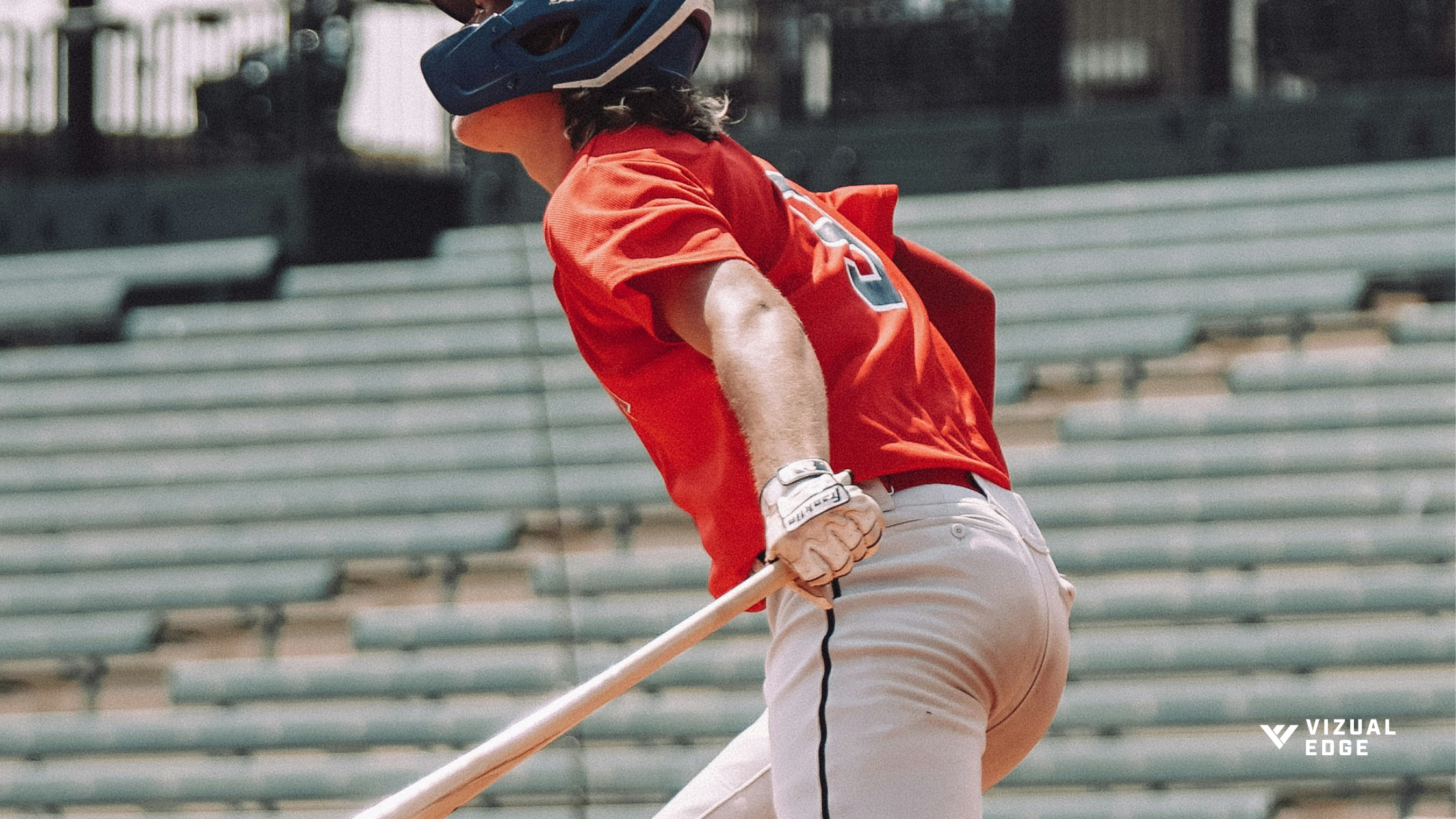
When athletes struggle in big moments, the explanation is almost always the same:
“They got nervous.” “They couldn’t handle the pressure.” “They choked.”
But failure under pressure isn’t primarily about nerves.
It’s about brain load.
Understanding how pressure actually affects performance — and how to train for it — changes everything about how athletes prepare for competition.
What Really Happens to the Brain Under Pressure
When pressure rises, the brain doesn’t simply “panic.” It reallocates resources.
Under stress, the brain prioritizes:
Emotional regulation
Threat assessment
Stress response systems
To do this, it pulls energy away from:
Visual processing
Motor planning
Timing and reaction speed
Decision-making precision
This shift happens automatically, even in elite athletes. The result is familiar:
Late swings
Poor pitch recognition
Slower reactions
Hesitation in moments that normally feel automatic
The athlete hasn’t lost skill.
Their brain is overloaded.
Vision Is the First System to Break Down
Vision is one of the most energy-demanding systems in the brain.
Under fatigue or stress:
Tracking accuracy drops
Visual clarity degrades
Reaction time slows
Anticipation becomes guesswork
That’s why pressure situations often look like “bad timing” or “mental mistakes.” The visual system can’t keep up with the speed of the game when cognitive load spikes.
And traditional training rarely addresses this.
Why “Just Relax” Doesn’t Work
Coaches often tell athletes to:
Calm down
Focus harder
Trust their mechanics
But you can’t think your way out of a neurological bottleneck.
If the brain has never been trained to:
Process visual information under stress
Maintain clarity under fatigue
Execute decisions while overloaded
Then it will default to survival mode — not performance mode.
The Good News: This Is Trainable
The ability to perform under pressure is not a personality trait.
It’s a trainable brain skill.
Just like strength or speed, the brain adapts to what it’s exposed to.
If you train:
Vision only when fresh
Decisions only without time pressure
Reactions only at comfortable speeds
Your brain learns one thing: perform when conditions are ideal.
Competition is not ideal.
How Training Vision Under Stress Builds Resilience
Training vision under controlled stress conditions teaches the brain to:
Maintain visual clarity when fatigued
Process information faster under load
Preserve timing and precision during pressure
Reduce performance drop-off in high-stakes moments
This isn’t about simulating anxiety — it’s about adaptive difficulty.
As the brain is challenged:
Visual speed increases
Neural efficiency improves
Cognitive load tolerance expands
Over time, pressure stops hijacking performance because the brain has learned to operate efficiently anyway.
How Vizual Edge Trains the Brain for Pressure
Vizual Edge is built around one core principle:
Train the visual and cognitive systems the way competition demands.
Athletes complete:
A short online visual assessment
Receive a personalized Edge Score
Follow adaptive 3D training programs designed to stress the visual system intelligently
The training:
Adjusts difficulty to match your skills
Forces the brain to process faster under fatigue
Requires precision even as load increases
This mirrors what happens late in games, during tight counts, or under playoff pressure — without the physical wear and tear.
All training is:
100% online
Done from home
Requires only a device larger than a phone and Vizual Edge 3D glasses
Why This Translates to Real Performance
When athletes train their brains to maintain clarity under load:
Reaction time stays sharp late in games
Timing remains consistent under pressure
Decisions feel automatic instead of forced
Confidence improves because performance is reliable
Pressure doesn’t disappear — but its impact does.
Pressure Exposes Weaknesses. Training Eliminates Them.
Athletes don’t fail under pressure because they lack toughness.
They fail because the brain hasn’t been trained for the cognitive demands of competition.
Visual performance under stress is a skill.
And like any skill, it can be developed.
Vizual Edge helps athletes build the neurological resilience needed to perform when it matters most — not by calming the moment, but by preparing the brain for it.
Train the brain. Trust the moment.
Learn more about how Vizual Edge helps athletes see faster, react quicker, and perform under pressure.
👉 Explore Vizual Edge Training: www.vizualedge.com
