
Sports Vision Training: The Hidden Skill Behind Faster Reactions in Athletes
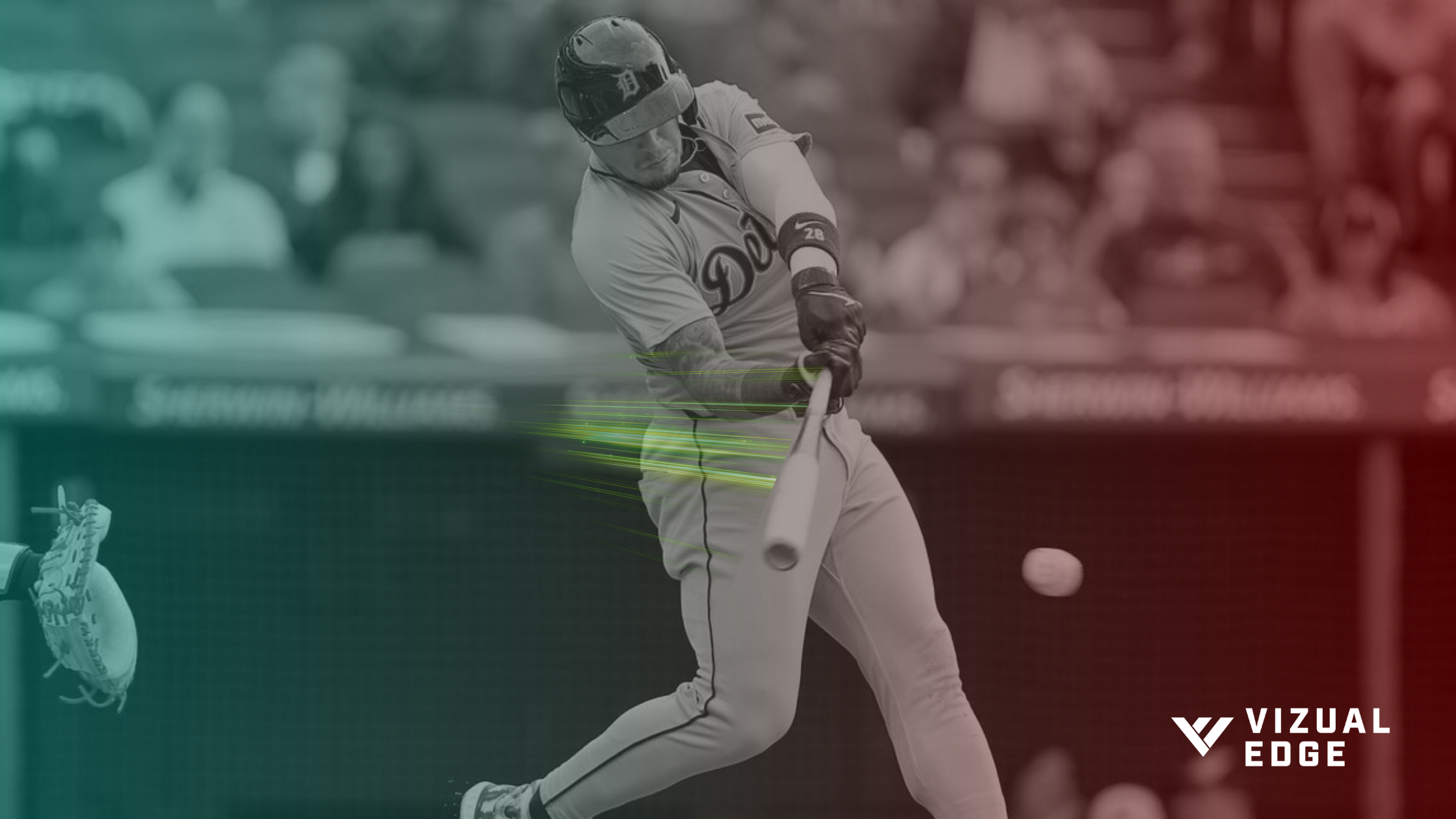
Most athletes think reaction speed is genetic. You either have quick reflexes or you don’t. But what many players do not realize is that reaction speed actually starts with vision. Before your body moves, your eyes and brain have to recognize what is happening.
That is where sports vision training comes in.
Reaction speed is not just about muscles firing quickly. It is about how fast your brain processes visual information and turns it into movement. When athletes improve the visual skills that drive that process, they naturally improve how quickly they react.
That is why more athletes and coaches are starting to pay attention to sports vision training.
Reaction Speed Starts With What You See
Think about any play in sports.
A hitter sees the pitch.
A goalie sees the puck.
A basketball player reads a defender.
Every movement starts with visual information.
Your eyes capture what is happening and send that information to the brain. The brain processes it and sends instructions to your body.
If that visual processing step is slow, your reaction will always be late.
This is exactly why sports vision training focuses on strengthening the connection between the eyes and the brain.
When those systems communicate more efficiently, athletes recognize situations faster and respond more confidently.
The Brain Systems That Drive Athletic Reaction
Two major areas of the brain play a huge role in athletic performance. The visual cortex processes what your eyes see. It identifies movement, depth, distance, and patterns. The cerebellum helps coordinate movement and timing. It fine tunes the body’s response to what the eyes detect. When athletes improve these systems through sports vision training, the entire decision chain becomes faster.
See it faster.
Understand it faster.
Move faster.
That is how reaction speed improves.
Why Most Athletes Never Train This
Athletes spend countless hours in the gym working on strength, speed, and conditioning. But very few train the system that actually starts every movement. Vision.
Without sports vision training, athletes rely on repetition and game experience to improve visual processing. That can help, but it does not always challenge the brain enough to create real neurological improvement.
Structured sports vision training forces the brain to process information faster, recognize patterns quicker, and respond with more precision.
Over time, those adaptations carry directly into competition.
The Visual Skills That Improve Reaction Speed
Reaction time improves when the visual skills behind it get stronger.
That is why sports vision training focuses on building abilities like:
Depth perception: Understanding distance and spatial relationships.
Convergence and divergence: How well both eyes work together when focusing on moving objects.
Visual processing speed: How quickly the brain interprets what the eyes see.
Eye brain coordination: How efficiently visual information turns into movement.
When these visual systems become stronger, athletes naturally improve their ability to react.
Vizual Edge Is the #1 Sports Vision Training Platform
Vizual Edge is built around one core idea. If you strengthen your visual and cognitive skills, you improve performance everywhere.
The program begins with an assessment that measures how your visual and cognitive skills currently perform. From there it creates a personalized training progression designed to strengthen those skills.
Through structured sports vision training, athletes challenge the eye brain connection with targeted exercises that build coordination and visual efficiency. The training sessions are short, but they force the brain to adapt.
Over time athletes start noticing the difference.
They read plays earlier.
They track objects more clearly.
They feel more confident making split second decisions.
The Advantage You Cannot See
One of the most interesting things about sports vision training is that improvement often happens quietly. Athletes do not always feel faster. But suddenly they are in the right place more often. They recognize plays sooner. They react more confidently. That is because sports vision training strengthens the systems that control how quickly athletes interpret what they see.
When vision improves, performance follows.
Train Your Vision Like You Train Your Body
Athletes spend years developing physical skills. But the brain controls how those skills are used. If you want to react faster, start by improving the system that drives reaction in the first place. Vision.
That is exactly what sports vision training is designed to do.
Learn more about how Vizual Edge helps athletes strengthen their visual performance here.
